

Digital transformation is reshaping how construction and infrastructure projects are planned, delivered, and managed. As projects become more complex, organizations need more than design coordination tools. They need connected systems that improve visibility, support faster decisions, and help teams manage assets long after construction is complete. This shift is driving growing interest in Digital Twins, especially among firms already using Building Information Modeling.
While BIM has transformed design and construction workflows, it was never intended to provide continuous operational insight. Digital Twins build on that foundation by connecting digital models with live asset and operational data. RPG Squarefoot Solutions helps organizations bridge this gap by supporting connected digital environments that improve project intelligence and long-term asset performance. In this post, we explore the difference between BIM and Digital Twins, how reality capture supports both, and why the industry is moving toward lifecycle-focused project intelligence.
What Is BIM?
Building Information Modeling, or BIM, is a digital representation of a building or infrastructure asset used during planning, design, and construction. BIM models contain geometry, dimensions, materials, and project information that help teams visualize the asset before it is built.
BIM is widely used to improve coordination, reduce design conflicts, and support more efficient construction planning. Common BIM use cases include:
- Design Coordination: Align architectural, structural, and MEP systems within a shared model.
- Clash Detection: Identify and resolve conflicts before construction begins.
- Quantity Take-Offs and Planning: Support estimating, scheduling, and procurement decisions with model-based information.
BIM plays a critical role in project delivery, but it is primarily focused on design intent and construction execution.
What Is a Digital Twin?
A Digital Twin is a dynamic digital representation of a physical asset that is continuously updated with real-world information. Unlike BIM, which is generally static once construction is complete, a Digital Twin connects the digital model with operational systems, sensor data, asset information, and performance inputs throughout the asset lifecycle.
This allows stakeholders to monitor current conditions, analyze performance trends, and make informed decisions based on how the asset is functioning. In this way, a Digital Twin moves beyond design coordination and becomes a real-time decision-support environment for operations, maintenance, and long-term asset management.
BIM vs Digital Twin: What’s the Difference?
Although BIM and Digital Twins are closely related, they serve different purposes.
- BIM supports planning and construction, helping teams design, coordinate, and build assets more efficiently.
- Digital Twins support operations and lifecycle management, helping teams monitor, optimize, and manage assets after they are built.
The key difference is data continuity. BIM provides a structured digital model based on planned project information. A Digital Twin extends that model by integrating live and historical data from the physical asset, creating a continuously updated view of performance, conditions, and operational activity.
In simple terms, BIM helps teams build the asset and Digital Twin helps them run it better.
How Reality Capture Connects BIM and Digital Twins
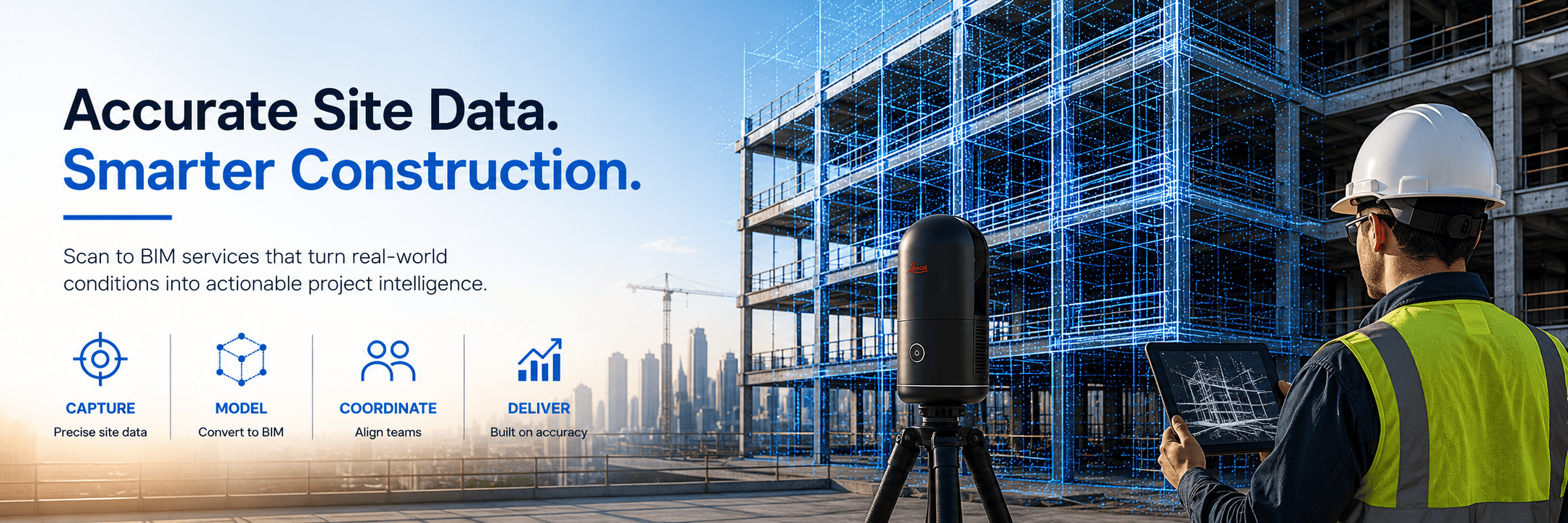
Reality capture plays an important role in connecting BIM with Digital Twin workflows. Technologies such as 3D laser scanning and photogrammetry capture highly accurate site conditions and generate point cloud data that reflects the physical environment as it exists in the field.
This information can be used to create or validate BIM models through Scan to BIM workflows, ensuring that digital models accurately reflect existing conditions. Once accurate digital models are established, they can serve as the foundation for Digital Twins by connecting them with asset data, sensor inputs, and operational systems.
As a result, reality capture helps create the reliable data pipeline needed to move from static design models to intelligent, lifecycle-driven digital environments.
Where Digital Twins Deliver Value
Digital Twins are increasingly being used across construction, facilities, and asset management environments.
- Construction: Compare field conditions against planned models, improve progress visibility, and support more informed project decisions.
- Facilities Management: Monitor building systems, optimize maintenance activities, and improve operational performance after handover.
- Asset Management: Track asset conditions, reduce downtime, and support long-term planning with better performance intelligence.
These capabilities make Digital Twins especially valuable for organizations focused on improving asset reliability, efficiency, and lifecycle outcomes.
Why the Industry Is Moving Toward Digital Twins
As the built environment becomes more connected, organizations are looking beyond static models and toward systems that deliver continuous insight. Digital Twins represent the next evolution of BIM by combining design data with operational intelligence to support better decisions across the full asset lifecycle. This shift reflects a growing demand for smarter, more connected ways to manage asset performance, risk, and long-term value.
- Lifecycle performance matters more: Owners now prioritize how assets operate after handover, not just how efficiently they are designed and built.
- Static models have limitations: Complex assets require live data and continuous visibility, not just design-stage information.
- Operational efficiency drives advantage: Real-time performance insight helps organizations reduce downtime, control costs, and improve asset outcomes.
Transform BIM Data into Actionable Operational Insight
RPG Squarefoot Solutions helps organizations explore Digital Twin strategies that connect BIM, reality capture, and asset intelligence into a more actionable digital environment. Explore our Digital Twin solutions today and see how lifecycle-focused project intelligence can help future-proof your next project.
Blog Latest Posts
Digital transformation is reshaping how construction and infrastructure projects are planned, delivered, and managed. As projects become more complex, organizations need more than design coordination tools. They need connected systems that improve visibility, support faster decisions, and help teams manage assets long after construction is complete. This shift is driving growing interest in Digital Twins, especially among firms already using Building Information Modeling.
While BIM has transformed design and construction workflows, it was never intended to provide continuous operational insight. Digital Twins build on that foundation by connecting digital models with live asset and operational data. RPG Squarefoot Solutions helps organizations bridge this gap by supporting connected digital environments that improve project intelligence and long-term asset performance. In this post, we explore the difference between BIM and Digital Twins, how reality capture supports both, and why the industry is moving toward lifecycle-focused project intelligence.
What Is BIM?
Building Information Modeling, or BIM, is a digital representation of a building or infrastructure asset used during planning, design, and construction. BIM models contain geometry, dimensions, materials, and project information that help teams visualize the asset before it is built.
BIM is widely used to improve coordination, reduce design conflicts, and support more efficient construction planning. Common BIM use cases include:
- Design Coordination: Align architectural, structural, and MEP systems within a shared model.
- Clash Detection: Identify and resolve conflicts before construction begins.
- Quantity Take-Offs and Planning: Support estimating, scheduling, and procurement decisions with model-based information.
BIM plays a critical role in project delivery, but it is primarily focused on design intent and construction execution.
What Is a Digital Twin?
A Digital Twin is a dynamic digital representation of a physical asset that is continuously updated with real-world information. Unlike BIM, which is generally static once construction is complete, a Digital Twin connects the digital model with operational systems, sensor data, asset information, and performance inputs throughout the asset lifecycle.
This allows stakeholders to monitor current conditions, analyze performance trends, and make informed decisions based on how the asset is functioning. In this way, a Digital Twin moves beyond design coordination and becomes a real-time decision-support environment for operations, maintenance, and long-term asset management.
BIM vs Digital Twin: What’s the Difference?
Although BIM and Digital Twins are closely related, they serve different purposes.
- BIM supports planning and construction, helping teams design, coordinate, and build assets more efficiently.
- Digital Twins support operations and lifecycle management, helping teams monitor, optimize, and manage assets after they are built.
The key difference is data continuity. BIM provides a structured digital model based on planned project information. A Digital Twin extends that model by integrating live and historical data from the physical asset, creating a continuously updated view of performance, conditions, and operational activity.
In simple terms, BIM helps teams build the asset and Digital Twin helps them run it better.
How Reality Capture Connects BIM and Digital Twins
Reality capture plays an important role in connecting BIM with Digital Twin workflows. Technologies such as 3D laser scanning and photogrammetry capture highly accurate site conditions and generate point cloud data that reflects the physical environment as it exists in the field.
This information can be used to create or validate BIM models through Scan to BIM workflows, ensuring that digital models accurately reflect existing conditions. Once accurate digital models are established, they can serve as the foundation for Digital Twins by connecting them with asset data, sensor inputs, and operational systems.
As a result, reality capture helps create the reliable data pipeline needed to move from static design models to intelligent, lifecycle-driven digital environments.
Where Digital Twins Deliver Value
Digital Twins are increasingly being used across construction, facilities, and asset management environments.
- Construction: Compare field conditions against planned models, improve progress visibility, and support more informed project decisions.
- Facilities Management: Monitor building systems, optimize maintenance activities, and improve operational performance after handover.
- Asset Management: Track asset conditions, reduce downtime, and support long-term planning with better performance intelligence.
These capabilities make Digital Twins especially valuable for organizations focused on improving asset reliability, efficiency, and lifecycle outcomes.
Why the Industry Is Moving Toward Digital Twins
As the built environment becomes more connected, organizations are looking beyond static models and toward systems that deliver continuous insight. Digital Twins represent the next evolution of BIM by combining design data with operational intelligence to support better decisions across the full asset lifecycle. This shift reflects a growing demand for smarter, more connected ways to manage asset performance, risk, and long-term value.
- Lifecycle performance matters more: Owners now prioritize how assets operate after handover, not just how efficiently they are designed and built.
- Static models have limitations: Complex assets require live data and continuous visibility, not just design-stage information.
- Operational efficiency drives advantage: Real-time performance insight helps organizations reduce downtime, control costs, and improve asset outcomes.
Transform BIM Data into Actionable Operational Insight
RPG Squarefoot Solutions helps organizations explore Digital Twin strategies that connect BIM, reality capture, and asset intelligence into a more actionable digital environment. Explore our Digital Twin solutions today and see how lifecycle-focused project intelligence can help future-proof your next project.